
How Safe Driving and Responsible Online Behavior Go Hand in Hand
When you drive well, you are doing more than braking and steering. You’re reading the situation. You see the vehicle that strayed onto the side of the road, the man close to the sidewalk, and the green light that has stayed open too long. You do not panic and remain prepared to take action.
Responsible online behavior relies on the same awareness. Your screen may feel like a private space, yet you’re still moving through a shared environment with hazards, bad actors, and distractions. A careful driver doesn’t assume everyone else will behave. A thorough internet user doesn’t believe every message, link, or offer is real.
Both skills come down to the same question: “What’s the safest next move?” Sometimes that means waiting two seconds before changing lanes. Sometimes it means waiting two seconds before clicking.
How Risk Shows Up in Both Worlds
On the road, risk often looks physical: speeding, following too close, driving while tired, poor weather, or pressure from an aggressive driver behind you. Online, risk is quieter. It can arrive as a “support” email that isn’t really support, a download that carries malware, or a fake checkout page built to harvest card details. The damage still lands in the real world – lost money, stolen identity data, or a device that no longer belongs to you.
In both places, people get hurt when they’re pushed into fast decisions. Tailgating makes you feel rushed. Scams online imitate it with timers or statements saying your account will be closed today. You are forced to hurry if you see that.
Similarly, online gaming should be treated with equal caution, especially when new members are quickly drawn in by eye-catching incentives and seemingly risk-free offers. When exploring promotions such as a 10 Euro Bonus ohne Einzahlung Casino at https://onlinecasinomitstartguthaben.org/, it becomes particularly important to pause and assess the source behind the offer. Verifying that a platform is reliable and authentic helps prevent being misled by exaggerated claims or unclear terms. Taking this extra step reduces the risk of ending up on a site that could misuse your personal information or compromise your online safety.
A neutral, safety-first approach is simple: verify before you engage. Check for transparent company details and real support contacts. If anything feels inconsistent (odd spellings, mismatched brand names, or links that bounce through multiple pages), step back. Just as you’d avoid a risky pass on a narrow road, you can choose to skip a risky click.
Distraction Behind the Wheel and Behind the Screen
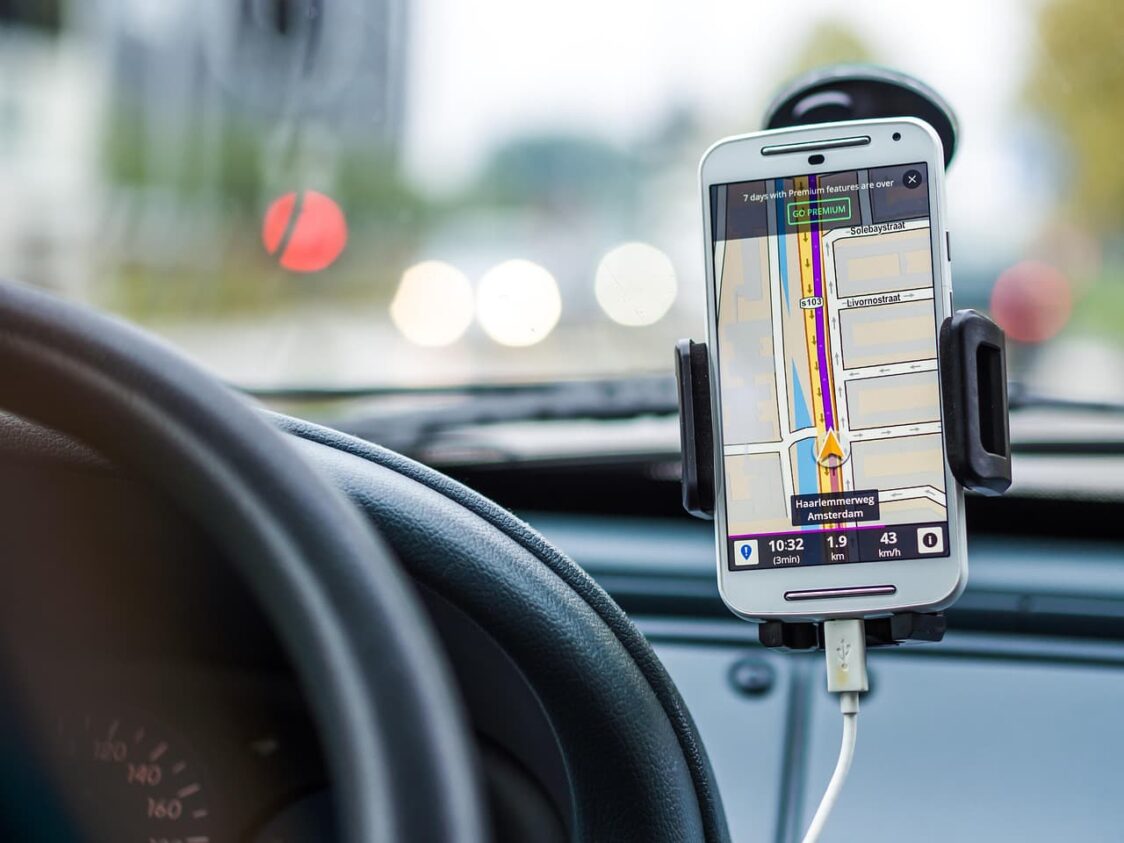
Distraction is the bridge between “I know better” and “I still did it.” On the road, the biggest culprit is the phone: a notification, a text, a quick glance at a map. Your eyes leave the lane for a moment, and the world keeps moving.
Distractions online are even more slippery because they are designed there with the intention of capturing your eyes. Endless scroll, pop-ups, and “just one more” buttons encourage you to make spontaneous decisions. That’s how people click on links that they might otherwise question or share information that they might otherwise safeguard.
It is really about preparation. You avoid risk by arranging things at the point you begin rolling down the highway – seat belt fastened, mirrors set, phone put away, attention focused on the road ahead and unnecessary distractions removed before they can interfere. You can even be ready in advance on the internet. By keeping your system clean, relying on trusted devices, maintaining up-to-date software, and using strong, unique passwords for each service, you reduce exposure to common threats long before you turn on two-factor authentication where possible. In that case, you will have defaults to your side even when you are bored and angry.
Building Safer Habits in Both Environments
A few practical routines work well in both environments:
- Create space. Leave some distance on the road. Pause before you click and before you reply.
- Scan for patterns. Look for erratic drivers, and scan for unusual URLs, requests, or mismatches in names.
- Be aware of your limitations. Don’t drive when tired. Don’t make money or accounting decisions while angry or half-asleep.
The aim isn’t to be fearful of every lane change and link. It’s to stay in control. When you practice steady attention, verify what you can, and avoid rushed moves, you protect yourself, and you make the road and the internet a little safer for everyone.